
Winter Safety Tips for Truck Drivers: Stay Safe and Prepared
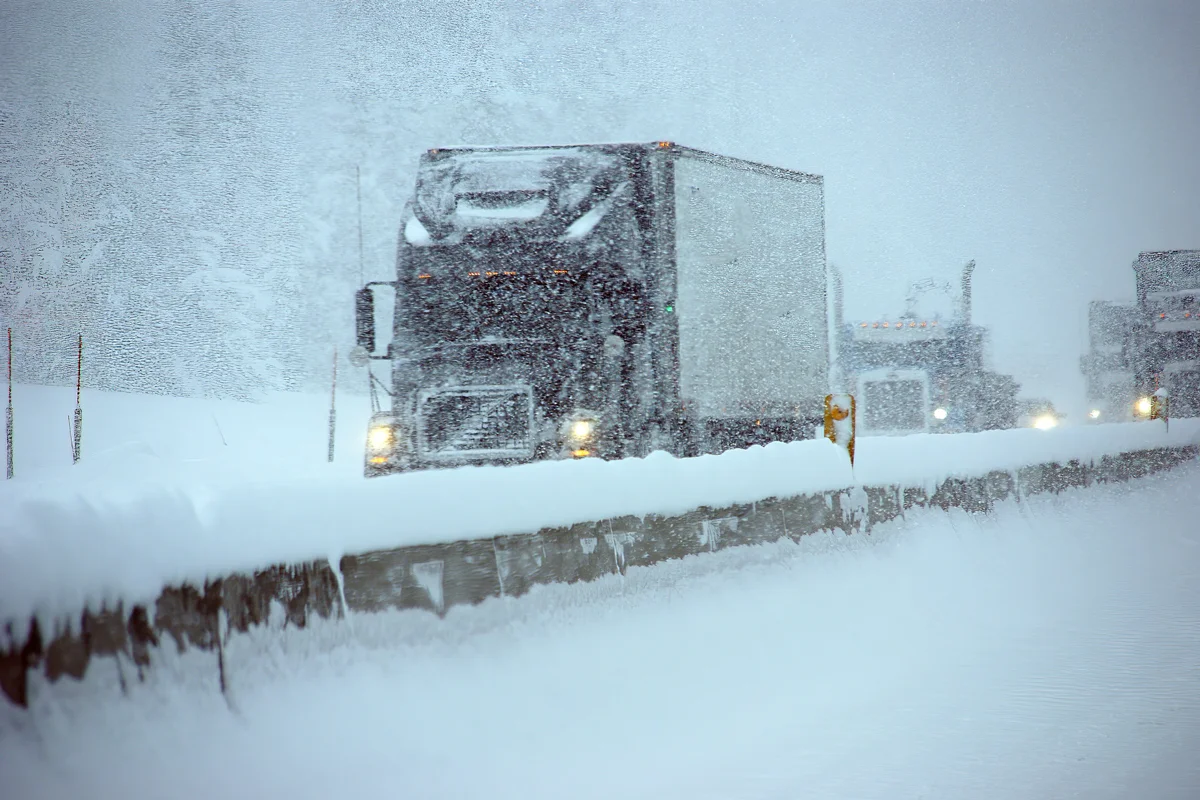
As winter weather sweeps across the United States, truck drivers face unique challenges on icy roads and in freezing temperatures. With over 156,000 crashes and 1,300 fatalities annually due to snowy or icy conditions, safety must always come first. At Craig Safety Technologies, we know preparation and awareness are key to keeping drivers safe. Here’s a comprehensive guide to winter truck driving safety.
Fuel and Engine Care in Cold Weather
When temperatures drop below 32°F:
- Add diesel supplement to ultra-low sulfur diesel fuel to prevent gelling.
- Plug in your engine block heater if equipped.
- For trucks not in use, start and run daily to reach normal operating temperature.
- Initial start-up procedure:
- Complete a pre-trip inspection.
- Unplug the block heater.
- Turn ignition to “on,” start the engine, and let it run until operating temperature is reached.
Brake and Air System Maintenance
- Purge air tanks daily if equipped with air brakes.
- If your truck has an air dryer, bring PSI to 120 to automatically purge the system.
- Before parking after driving in snow or slush, lightly apply brakes while moving to dry brake components and prevent freezing.
Visibility and Traction
- Keep windshield washer solvent full and windows clean.
- Remove ice and snow from steps and grab handles to prevent slips.
- Clean headlights and taillights regularly for maximum visibility.
- Avoid parking near building overhangs where snow can drift onto your truck.
Winter Survival Kit Essentials
Every driver should carry:
- Shovel, scraper, broom
- Flashlight and batteries
- Water and nonperishable snacks
- Hand/foot warmers, extra hats, socks, mittens
- First-aid kit, medications, blankets
- Tow chain, booster cables, traction aids (salt, sand, cat litter)
- Cell phone adapter and distress flag
Winter Driving Dos and Don’ts
Do:
- Keep extra fuel filters on hand.
- Plug in your truck whenever possible.
- Stock supplies for 2–3 days.
- Be cautious when exiting the truck—steps can be slippery.
Don’t:
- Park facing the wind (ice buildup risk).
- Shut off your engine below 11°F.
- Overload your electrical system with multiple appliances.
- Ignore trucks that have been idle—warm them up properly.
Top 10 Winter Driving Tips
- Prioritize Pre-Trip Inspections: Check lights, brakes, fluids, tires, and chains.
- Clear All Ice and Snow: Visibility is critical.
- Use Extra Caution on Bridges: They freeze first.
- Stay Alert Around Snowplows: Keep a safe distance.
- Maintain a Long Following Distance: At least 15 seconds.
- Avoid Driving in Packed Snow Ruts: They reduce traction.
- Brake Early and Accelerate Slowly: Prevent skidding.
- Reduce Speed: Slower is safer.
- Disable Engine Brake on Slippery Roads: Avoid traction loss.
- Practice Defensive Driving: If conditions worsen, pull over and wait.
Final Thoughts
Winter requires preparation, awareness, and extra caution. By following these tips, you’ll be better equipped to handle whatever the cold weather throws your way. Safety isn’t just a priority—it’s a responsibility.Ready to simplify compliance and safety management?
Learn how Compliance Safety Manager™ can help you stay ahead of FMCSA requirements and keep your fleet safe year-round.