
CVSA International Roadcheck Is May 12–14: What Motor Carriers Need to Know
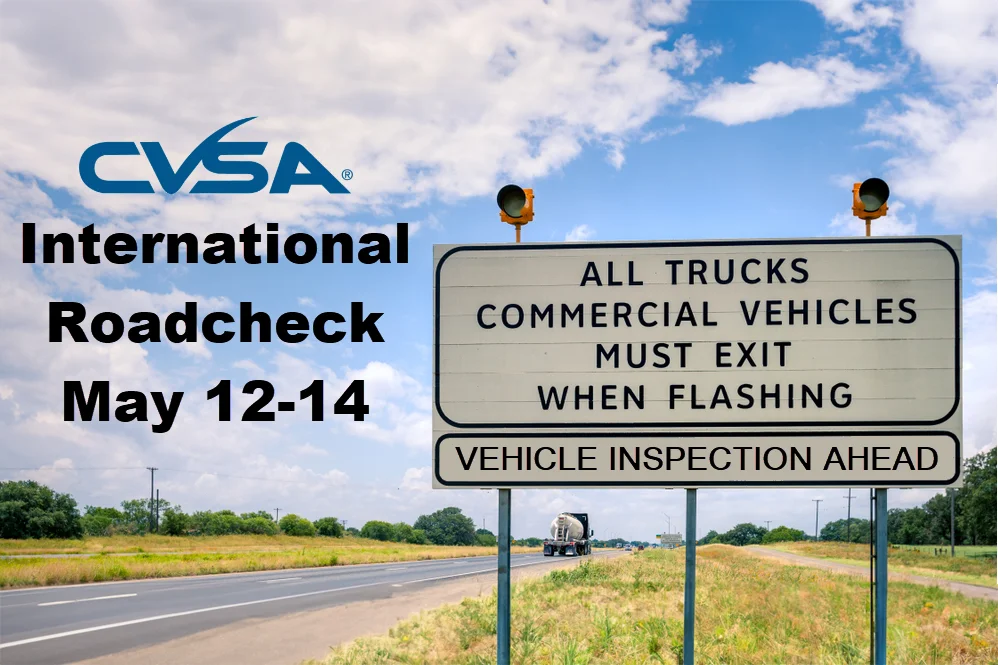
Each year, one event stands out on the compliance calendar for commercial motor carriers across North America: CVSA’s International Roadcheck. In 2026, that 72-hour enforcement initiative takes place May 12–14, and it’s one every fleet should be preparing for now.
International Roadcheck is the largest targeted commercial vehicle inspection program in the world. During the three-day event, thousands of inspectors across the U.S., Canada, and Mexico conduct high-volume roadside inspections to identify unsafe vehicles, unsafe driving practices, and non-compliance with federal and provincial regulations. [cvsa.org], [cdllife.com]
While inspections happen year-round, Roadcheck brings heightened enforcement, increased roadside presence, and closer scrutiny—making preparation essential for motor carriers, safety managers, and drivers.
What Is International Roadcheck?
International Roadcheck is an annual enforcement, compliance, and education campaign coordinated by the Commercial Vehicle Safety Alliance (CVSA). Since its inception in 1988, inspectors have conducted more than 1.8 million roadside inspections as part of this initiative. [cvsa.org]
During the event, CVSA-certified inspectors primarily perform the North American Standard Level I Inspection, a comprehensive 37-step inspection that reviews:
- Driver credentials and operating requirements
- Records of duty status and ELD data
- Vehicle mechanical condition
- Cargo securement
If critical violations are found, the driver or vehicle can be placed out of service immediately, resulting in downtime, load delays, and increased safety risk scores.
2026 Roadcheck Dates and Inspection Focus Areas
International Roadcheck 2026 will run from Tuesday, May 12 through Thursday, May 14 across North America.
Each year, CVSA designates one driver focus area and one vehicle focus area to highlight common and high-risk violations. For 2026, inspectors will pay special attention to:
Driver Focus: ELD Tampering and Falsification
Inspectors will closely review electronic logging device (ELD) records for:
- False or manipulated entries
- Unexplained edits without proper annotations
- Gaps or inconsistencies between logs and supporting documents
- Evidence of intentional log manipulation to hide hours-of-service violations
Falsification of records of duty status was the second most-cited driver violation in 2025, underscoring why ELD integrity is under the microscope this year. [cvsa.org], [ngwa.org]
Vehicle Focus: Cargo Securement
Improper cargo securement is more than a compliance issue—it’s a serious roadway safety hazard. Inspectors will be looking for:
- Worn, cut, or damaged straps, chains, or binders
- Unsecured dunnage, equipment, or tools
- Loads that can shift, leak, spill, fall, or blow debris
In 2025 alone, tens of thousands of violations were issued for unsecured cargo and unsecured vehicle components, making this a priority enforcement area for 2026.
What Happens During a Roadcheck Inspection?
While the focus areas receive special attention, inspectors are still authorized to check all applicable safety requirements during a Roadcheck inspection. A typical Level I inspection includes reviews of:
- Driver’s license and qualifications
- Medical examiner’s certificate
- Seat belt usage
- Drug and Alcohol Clearinghouse status (U.S.)
- Brake systems
- Tires, wheels, and rims
- Lights, suspension, and steering
- Cargo securement
Vehicles that pass a Level I or Level V inspection without critical violations may receive a CVSA decal, which is valid for up to three months and can help reduce repeat inspections during that period.
Why Preparation Matters
Roadcheck may last only three days, but the consequences of a failed inspection can last much longer. Out-of-service violations can lead to:
- Delivery delays and missed loads
- Equipment downtime and repair costs
- Increased CSA scores
- Increased scrutiny during future audits
Carriers that treat Roadcheck as a once-a-year scramble often learn the hard way that inspections are a reflection of daily safety habits, not last-minute prep.
Preparing Your Fleet for Roadcheck—and Beyond
The best Roadcheck strategy is simple: be inspection-ready every day. That means:
- Ensuring drivers understand ELD rules and proper log editing
- Reviewing unassigned driving time regularly
- Conducting thorough pre-trip and post-trip inspections
- Addressing cargo securement and equipment issues promptly
- Monitoring inspection and violation trends across your fleet
International Roadcheck is intense, but the regulations enforced during the event are the same ones that apply 365 days a year.
Final Thoughts
International Roadcheck isn’t just about enforcement—it’s a reminder of the shared responsibility we all have to keep commercial vehicles safe and compliant. By focusing on proper log management, secure equipment, and consistent safety practices, fleets can limit disruptions and keep trucks moving during Roadcheck week and beyond.
Preparation today leads to fewer surprises tomorrow—and safer roads for everyone.
How Craig Safety Technologies Helps Carriers Stay Roadcheck-Ready
At Craig Safety Technologies, safety and compliance aren’t seasonal—they’re foundational. Through our Compliance Safety Manager™ platform, we help motor carriers take a proactive, data-driven approach to DOT compliance, risk management, and driver accountability.By helping employers identify trends, address violations early, and manage safety performance year-round, Compliance Safety Manager™ supports safer operations and smoother roadside inspections—not just during International Roadcheck, but every day. Our mission is simple: support safer drivers, stronger fleets, and sustainable DOT compliance.