
Winter Truck Driving Safety: The Complete Guide to Staying Safe on the Road
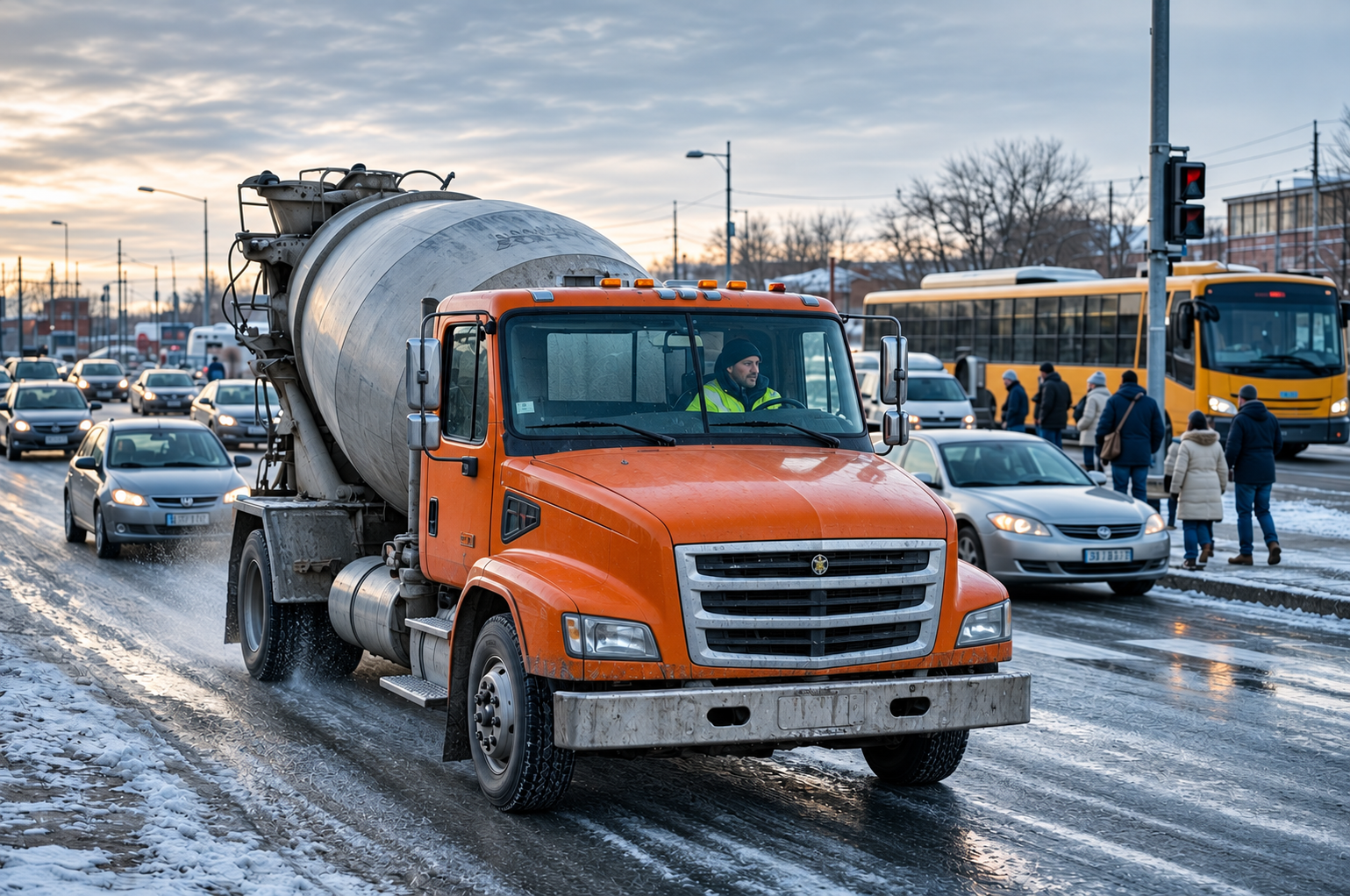
Winter is one of the most challenging seasons for professional drivers. Snow, ice, freezing temperatures, reduced visibility, and unpredictable road conditions can quickly turn a routine trip into a dangerous situation. Success during the winter months comes down to preparation, defensive driving, and a commitment to safety before, during, and after every trip. Drawing from proven winter safety practices, here’s a comprehensive guide to help truck drivers stay safe and productive throughout the season.
Prepare Before You Roll
Winter safety starts long before the engine is running.
Conduct Thorough Pre-Trip Inspections
Cold weather puts additional stress on vehicles, making pre-trip inspections more important than ever. Take time to inspect:
- Tires for proper inflation and tread depth
- Brakes and air systems
- Headlights, taillights, and turn signals
- Windshield wipers and washer fluid
- Antifreeze and other fluid levels
- Steps, grab handles, and mirrors for ice buildup
A few extra minutes before departure can prevent costly breakdowns and dangerous situations on the road.
Keep Your Truck Winter-Ready
When temperatures drop below freezing, additional precautions are necessary:
- Use diesel fuel additives to help prevent fuel gelling.
- Plug in block heaters when available.
- Keep extra fuel filters on hand.
- Purge air tanks regularly if operating air brake systems.
- Ensure air dryers are functioning properly.
Proper cold-weather maintenance improves reliability and helps prevent equipment failures when you need your truck most.
Dress for the Conditions
Winter injuries often happen outside the cab.
Wear insulated, water-resistant boots with good traction to reduce the risk of slips and falls. Layer clothing to stay warm while maintaining mobility, and don’t forget gloves and a winter hat when working outdoors.
Before climbing in or out of your truck, remove snow and ice from steps, handrails, and walking surfaces. Always maintain three points of contact when entering or exiting the cab. These simple habits significantly reduce injury risks during winter operations.
Build a Winter Emergency Kit
Winter weather can change rapidly, and delays are always possible.
Every truck should carry a winter emergency kit containing:
- Blankets
- Non-perishable food
- Water
- Flashlights and extra batteries
- First-aid supplies
- Prescription medications
- Hand and foot warmers
- Extra hats, gloves, and socks
- Shovel, scraper, and broom
- Sand, salt, or traction aids
- Booster cables and tow chain
- Cell phone charger or adapter
- Distress flag or emergency markers
Experts recommend carrying enough supplies to remain self-sufficient for at least two to three days if stranded.
Maximize Visibility
Poor visibility is one of winter driving’s greatest hazards.
Before every trip:
- Completely clear snow and ice from mirrors, windows, lights, and reflective tape.
- Keep headlights and taillights clean throughout the day.
- Refill windshield washer fluid frequently.
- Use your air conditioner alongside your heater to reduce interior fogging.
Also stay aware of snow spray and “snow clouds” created by other vehicles, which can hide smaller vehicles from view.
Adjust Your Driving for Winter Conditions
Slow Down
Speed is a major factor in winter crashes. Reduced traction means longer stopping distances and less control.
When roads are wet, snowy, or icy:
- Reduce your speed.
- Turn off cruise control.
- Brake sooner than normal.
- Accelerate gradually.
- Make steering inputs smoothly.
Remember: arriving late is always better than not arriving at all.
Increase Following Distance
Winter conditions require much more space between vehicles.
Increase your following distance well beyond normal driving conditions. Some safety experts recommend 14 to 15 seconds or more when roads are snow-covered or icy. Extra space provides critical time to react to sudden stops or slides ahead.
Watch High-Risk Areas
Certain roadways become especially hazardous during winter weather:
- Bridges and overpasses freeze before surrounding pavement.
- Entrance and exit ramps often combine sharp curves with icy surfaces.
- Intersections can become slick from repeated braking and traffic buildup.
Approach these areas cautiously and expect conditions to be worse than nearby roads.
Practice Defensive Driving
Winter driving requires constant awareness.
Stay alert for:
- Vehicles with blocked windows or mirrors
- Drivers traveling too fast for conditions
- Snowplows and maintenance vehicles
- Hidden cars in blowing snow
- Ice-filled tire ruts that reduce traction
- Sudden wind gusts around bridges, hills, and open areas
Sometimes defensive driving means yielding the right-of-way or delaying travel altogether if conditions become unsafe. Professional drivers know that good judgment is just as important as driving skill.
Prevent Common Winter Injuries
Not every winter incident happens on the highway.
Drivers can reduce injury risks by:
- Warming up and stretching before physical work
- Using proper lifting techniques
- Walking carefully on icy surfaces
- Avoiding rushed movements around equipment
- Keeping work areas clear of snow and ice
Cold muscles are more susceptible to strains and sprains, making preparation especially important during winter months.
Know When to Stop
One of the most important winter driving skills is recognizing when conditions have become too dangerous.
If visibility disappears, roads become impassable, or traction is severely compromised, find a safe location and wait for conditions to improve. No load is worth risking your life or the lives of others on the road.
Final Thoughts
Winter trucking demands preparation, patience, and professionalism. By maintaining your equipment, carrying emergency supplies, protecting yourself from injury, and adapting your driving style to changing conditions, you can significantly reduce risks throughout the winter season.
The safest drivers aren’t necessarily the most experienced. They’re the ones who stay prepared, remain vigilant, and consistently make safety their top priority.
Stay safe this winter. The most important delivery is making it home.
Want to learn how Compliance Safety Manager™ can help you manage your DOT compliance?
Contact us today!