
Brake Safety Week 2026: Preparing Your Fleet
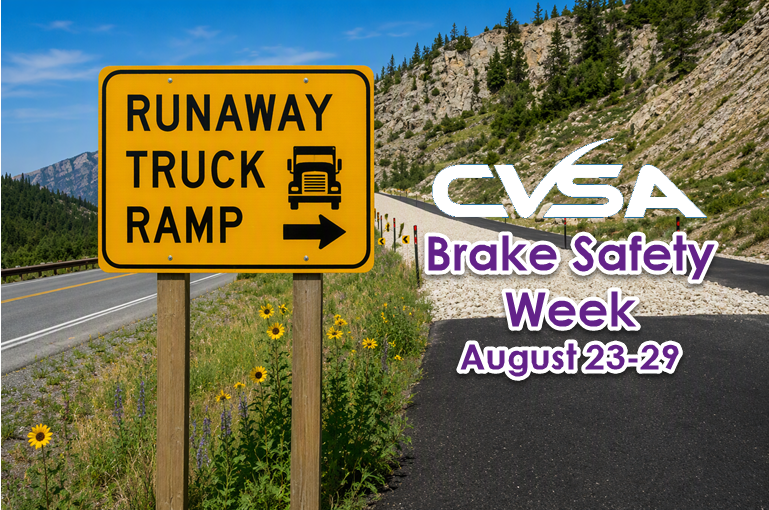
Every year, the Commercial Vehicle Safety Alliance (CVSA) conducts Brake Safety Week, a North America-wide enforcement and education campaign focused on improving commercial motor vehicle safety through proper brake maintenance and inspection. This year’s event takes place August 23-29, 2026, and will place special emphasis on brake drums and brake rotors, two critical components that directly affect a vehicle’s stopping performance.
For motor carriers, fleet managers, maintenance personnel, and professional drivers, Brake Safety Week serves as an important reminder that brake system maintenance is not just about regulatory compliance. It is about protecting drivers, the motoring public, and the operational integrity of a fleet.
Why Brake Safety Week Matters
Brake-related violations continue to be one of the leading reasons commercial vehicles are placed out of service during roadside inspections. According to CVSA data, thousands of vehicles across North America are inspected each year during Brake Safety Week, with many being removed from operation due to brake system deficiencies.
When a vehicle is placed out of service, the consequences can be significant:
⚠️Delayed deliveries
⚠️Increased repair costs
⚠️Customer service disruptions
⚠️Negative impacts on a carrier’s safety performance
More importantly, poorly maintained brakes increase the risk of crashes, injuries, and fatalities. Proper brake function remains one of the most critical safety factors for commercial motor vehicles operating on today’s highways.
The 2026 Inspection Focus: Brake Drums and Rotors
During the 2026 campaign, inspectors will pay special attention to brake drums and air disc brake rotors.
These components endure extreme heat and stress during normal operation. Over time, they can develop defects that compromise braking performance, including:
🔥Cracks
🔥Heat damage
🔥Excessive wear
🔥Structural weaknesses
🔥Improper mounting or installation concerns
If brake drums or rotors do not meet established safety standards, inspectors may identify violations that can lead to a vehicle being placed out of service until repairs are completed.
For fleet maintenance teams, this year’s focus creates an opportunity to review inspection procedures and ensure all braking components are carefully evaluated before vehicles hit the road.
What Inspectors Will Be Looking For
During Brake Safety Week, certified inspectors will conduct roadside inspections on commercial motor vehicles throughout the United States, Canada, and Mexico.
Inspection activities may include reviewing:
🔎Brake adjustment
🔎Air system integrity
🔎Brake lining condition
🔎Brake hoses and connections
🔎Brake drum condition
🔎Air disc brake rotor condition
🔎Overall braking system performance
Vehicles found with critical brake-related defects may be prohibited from continuing operation until repairs have been made and verified.
Preparing for Brake Safety Week
The best strategy for Brake Safety Week is the same strategy carriers should follow throughout the year: proactive maintenance and thorough documentation.
1. Conduct Comprehensive Brake Inspections
Fleet maintenance teams should inspect all brake components, paying particular attention to drums and rotors in advance of the enforcement period.
2. Reinforce Pre-Trip and Post-Trip Inspections
Drivers are the first line of defense against vehicle defects. Encourage thorough pre-trip and post-trip inspections and ensure drivers understand what brake-related issues should be reported immediately.
3. Address Defects Promptly
Even minor brake concerns can quickly become major safety issues. Establish procedures for repairing and documenting defects before they result in violations or out-of-service orders.
4. Maintain Accurate Maintenance Records
Well-organized maintenance and inspection records demonstrate a commitment to safety and can support compliance efforts during audits, inspections, and investigations.
5. Educate Drivers and Technicians
Brake Safety Week is also an educational initiative. Taking time to review current maintenance practices, inspection procedures, and safety expectations can help reduce violations and improve fleet performance.
Safety and Compliance Go Hand in Hand
Successful fleets understand that compliance and safety are inseparable. Organizations that prioritize preventive maintenance, driver accountability, and accurate recordkeeping are often better positioned to avoid violations while creating safer working environments for their employees.
A strong compliance culture helps ensure vehicles are properly maintained, inspections are completed on schedule, and safety concerns are addressed before they become costly operational problems.
Craig Safety Technologies™ Commitment to Brake Safety and Compliance
At Craig Safety Technologies™, we believe that every safer roadway begins with a strong commitment to compliance and proactive fleet management. Brake Safety Week serves as an important reminder that vehicle maintenance, documentation, and operational oversight all play critical roles in protecting drivers and the communities they serve.
Our Compliance Safety Manager™ software helps carriers stay ahead of compliance requirements by streamlining critical safety management processes, tracking important compliance activities, organizing records, and supporting a culture of accountability throughout the organization.
When carriers have greater visibility into their compliance programs and safety initiatives, they are better equipped to identify potential risks, address issues before they escalate, and maintain alignment with FMCSA regulations.
As Brake Safety Week 2026 approaches, now is the time to review your fleet’s maintenance practices, reinforce inspection procedures, and ensure your safety and compliance programs are operating at their highest level. Together, we can help create safer drivers, safer fleets, and safer roads for everyone.
Learn more about how Compliance Safety Manager™ can support your fleet’s FMCSA compliance and safety goals by contacting Craig Safety Technologies today.